

The culture of Himachal Pradesh is one of the richest in the Himalayas. Every stage of life, from birth to death, is guided by customs, while fairs, festivals, folk arts, temples, dress, food and languages together give the state its own identity. This page explains the basics and the main birth customs in simple words for HPAS, HP Allied Services, Naib Tehsildar, Patwari and other HPPSC and HPRCA exams.
It is a short version of the chapter "Introduction to Culture & Birth Customs" (Unit 5, Chapter 1) from Raman Academy's Himachal Pradesh General Studies book. You get the introduction, the key facts and a summary table here. The full set of birth rituals and beliefs is in the book.
On this page
Culture, Customs and Traditions: The Basics
Three words come up again and again in this unit, so it helps to be clear about them:
- Culture: the complete way of life of a society – its beliefs, customs, language, art, dress, food, music, festivals and social institutions
- Customs: specific practices followed on occasions such as birth, marriage, death, fairs, festivals and religious ceremonies
- Traditions: customs and practices handed down over generations
What Shaped the Culture of Himachal Pradesh?
Himachali culture grew out of the meeting of four influences:
- Indigenous tribal traditions
- Vedic influences
- The local hill kingdoms
- Buddhist traditions
Together, these influences explain the wide variety in the customs and traditions of Himachal Pradesh, as well as in its folk traditions, architecture, food and languages.
Birth Customs in Himachal Pradesh
Birth customs in Himachal Pradesh mix religious belief, social tradition and local practice. They differ across regions and communities, but they share three aims: protecting the mother and the newborn, purifying the home after the birth, and slowly bringing the child into family and community life.
Sootak and purification
Sootak is the traditional period of ritual impurity after childbirth. It usually lasted about 20 days, and religious rituals were generally avoided in the household during this time. It ended with a purification ceremony called Goontar, generally held on the 10th or 21st day. In parts of Mahasu (Shimla) and Sirmaur, the same ceremony is called Dassotan. The child's birth chart (Janam Patrika) was also prepared during this period.
Childhood rituals
The main rituals that follow are Namkaran (naming, with the name traditionally chosen through astrology), Mundan or Chudakarana (the first haircut, locally called Jatloo) and Annaprashan (the first feeding of cereal, usually kheer).
Birth Customs of Himachal Pradesh: Summary Table
| Custom | What it means |
|---|---|
| Sootak | Period of ritual impurity after birth, about 20 days |
| Goontar | Purification ceremony, generally on the 10th or 21st day |
| Dassotan | Name for the purification ceremony in Mahasu and Sirmaur |
| Janam Patrika | Child's astrological birth chart |
| Namkaran | Naming ceremony |
| Jatloo | Local name for Mundan (first haircut) |
| Annaprashan | First feeding of cereal, usually kheer |
What the Full Chapter in the Book Adds
This page covers only the main points on the culture of Himachal Pradesh and its birth customs. The book chapter also gives:
- Pre-birth beliefs and restrictions for the expectant mother and the family
- Traditional childbirth practices, including those of tribal areas
- The full purification ritual and the sweet distributed afterwards
- Community celebrations, the role of musicians and deity participation
- Ghutti, hair offering and other childhood rituals
- Protective customs for the newborn
Practise MCQs on Customs and Traditions
Test yourself with our free online quizzes:
Read the previous chapter on the caste system in Himachal Pradesh, or open the Himachal Pradesh MCQ hub for every topic. To explore the state's festivals and places, visit the Incredible India page on Himachal Pradesh.
FAQs on the Culture of Himachal Pradesh
What is the culture of Himachal Pradesh?
It is the complete way of life of the people of the state. Customs guide every stage of life from birth to death, and fairs, festivals, folk arts, temples, dress, food and languages together shape its identity.
Himachal Pradesh ki sanskriti par kin cheezon ka prabhav hai? (What influenced Himachali culture?)
Four influences: indigenous tribal traditions, Vedic influences, the local hill kingdoms and Buddhist traditions.
What is the difference between customs and traditions?
Customs are specific practices followed on occasions such as birth, marriage or festivals. Traditions are customs and practices that have been followed over generations.
What are the customs and traditions of Himachal Pradesh?
The state has customs for every stage of life – birth, marriage and death – along with a rich set of fairs, festivals, folk arts, temple traditions, dress, food and languages. This page covers the birth customs.
Sootak kya hota hai? (What is Sootak?)
Sootak is the traditional period of ritual impurity after childbirth. In Himachal Pradesh it usually lasted about 20 days, and religious rituals were avoided in the home during this time.
What is Goontar?
Goontar is the purification ceremony performed after childbirth, generally on the 10th or 21st day.
What is Dassotan?
Dassotan is the name used for the purification ceremony after childbirth in parts of Mahasu (Shimla) and Sirmaur.
What is Jatloo in Himachal Pradesh?
Jatloo is the local name for the Mundan ceremony, the child's first haircut.
What is Annaprashan?
Annaprashan is the first feeding of cereal to the child, usually kheer.
Get the Complete Himachal Pradesh GK Book
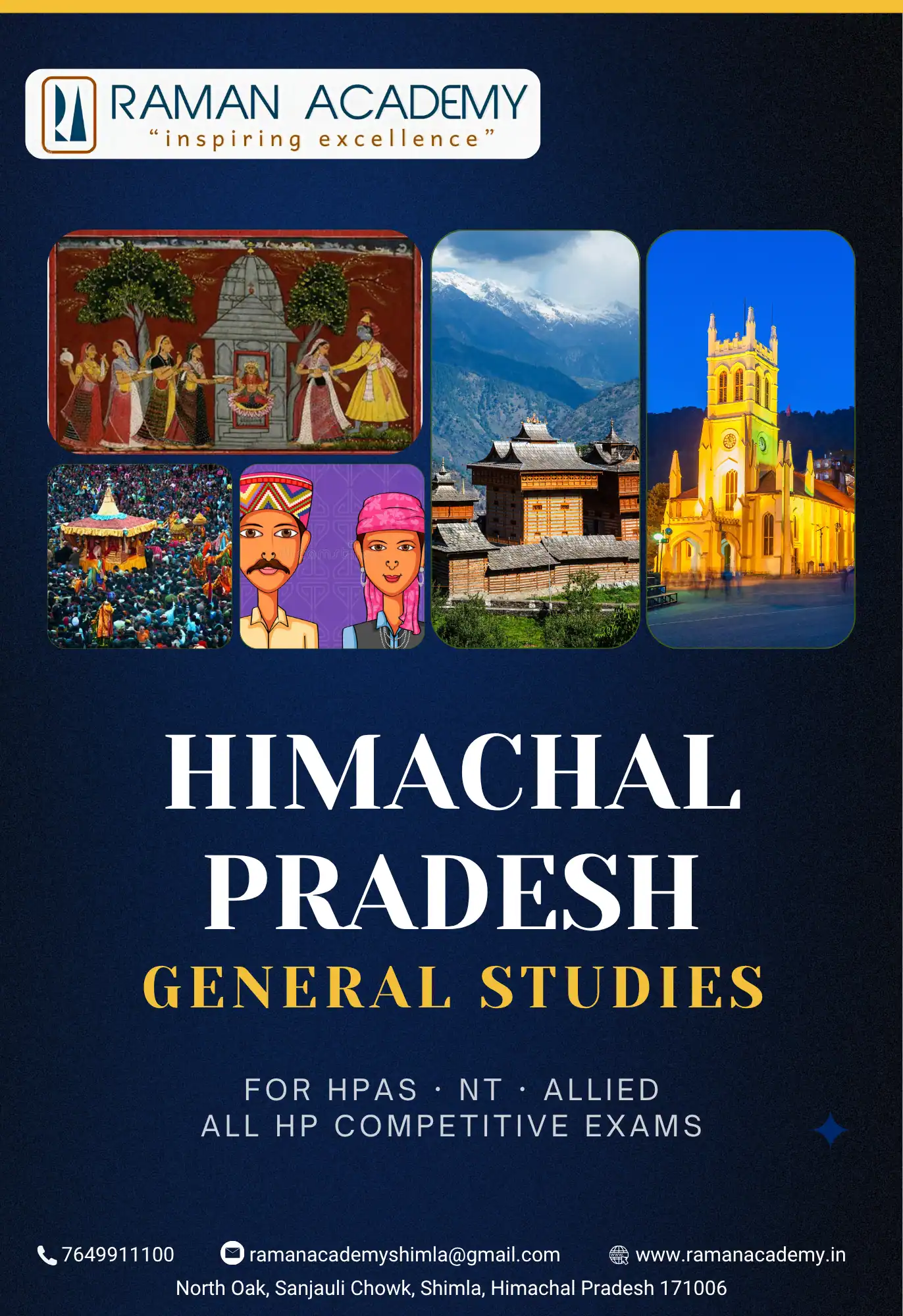
This page gives you about a quarter of the chapter. The book has the full chapter with pre-birth beliefs, childbirth practices, community celebrations, every childhood ritual and protective custom, plus every other HP GK topic.
Buy the Himachal Pradesh General Studies Book
